Black History Resources
"Let me ask you a quick question.
Ever get the feeling you were sold a half-truth and told to call it history?
You sat in those classrooms.
You did the assignments.
And somewhere along
the way, a little voice
in your head kept saying:
"Wait... there's gotta be more to this story. Where is it?"
You weren't wrong.
And right now,
while you're reading this,
there are people actively working
to make sure that voice never gets an answer.
Black history is being stripped from curricula.
Banned from classrooms.
Rewritten in real time.
What took decades to suppress the first time
is being buried again — faster, and with less resistance than you'd think.
Professor Kenyatta has personally hand-picked every resource on this page to make sure you get the truth before it disappears again.
The scholars they buried.
The books they never assigned.
The history of Black and African civilizations that
somebody,
somewhere,
decided you didn't need to know.
The bottom line is this — none of it was ever hard to find.
It was simply hidden. On purpose.
But hidden isn't the same as gone. Not yet.
You're about to find out exactly where to look — while you still can."
Professor Kenyatta's Works
These three books represent Professor Kenyatta's own contribution to the ongoing project of Black liberation through knowledge. Start here.
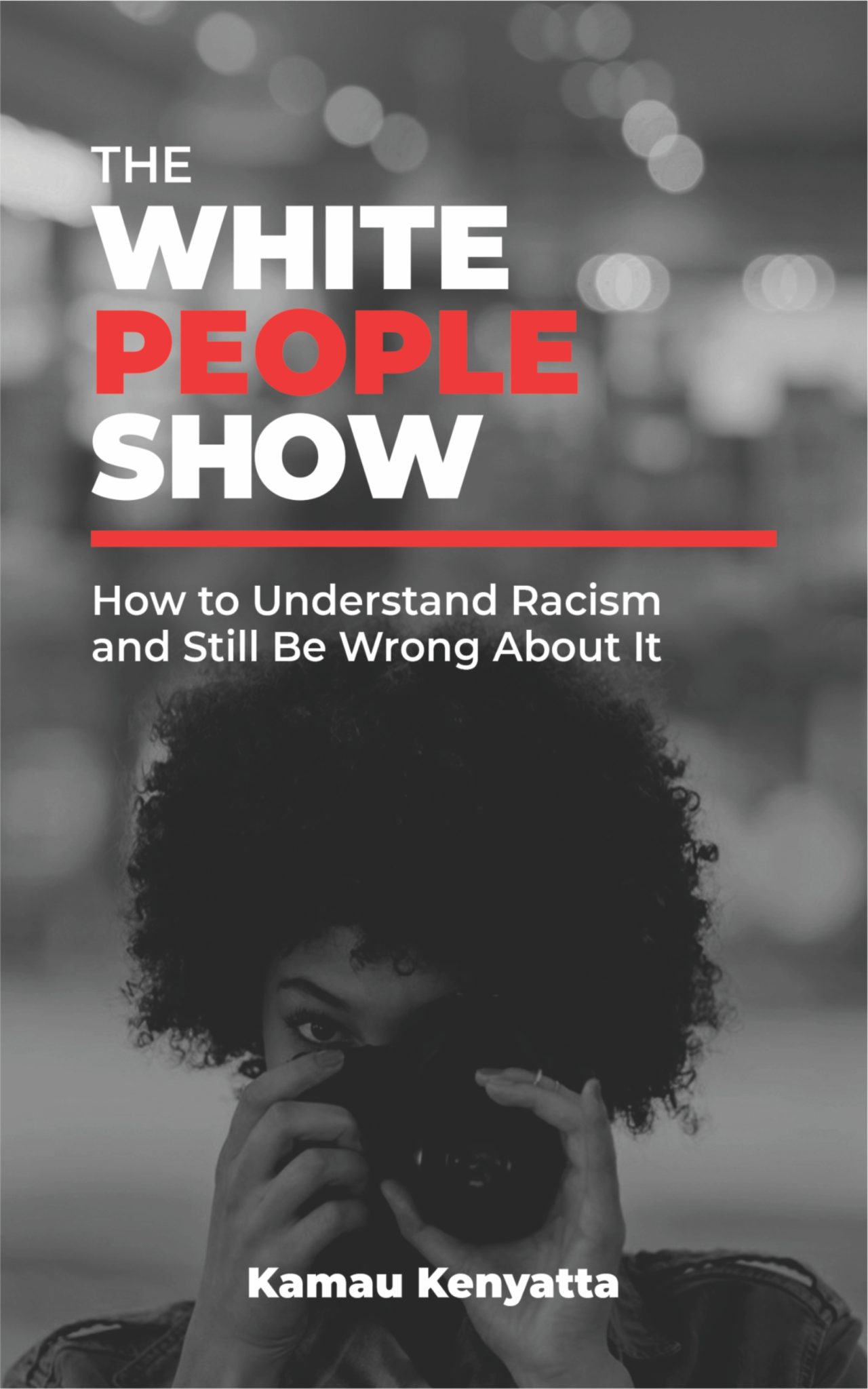
The White People Show: How To Understand Racism and Still Be Wrong About It
Most conversations about racism miss the point entirely — on both sides.
Everybody's got an opinion. Almost nobody's got the actual definition and the mechanics figured out.
Professor Kenyatta cuts straight through the noise in plain terms: what it actually is and how it functions.
He goes a step further to explore what it really takes to understand a system designed to be misunderstood.
If you're serious about this conversation — not just performing- seriousness, actually serious — this is the book that gets you there.
Read it. Then see how differently you hear the next conversation.
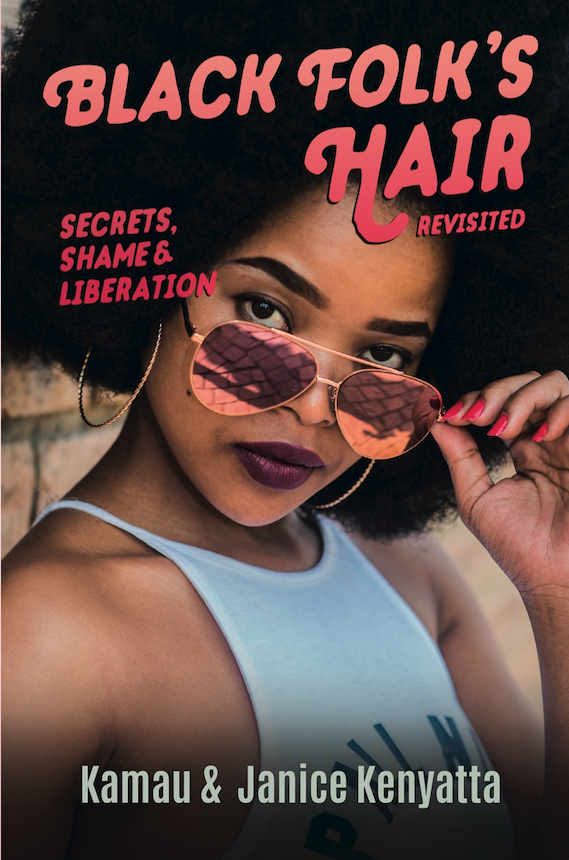
Black Folk's Hair Revised Edition: Secrets, Shame & Liberation
This isn't a book about hair.
Not really.
It's a book about identity, self-hatred, cultural programming, and the satisfaction of reclaiming something that was taken from you--quietly taken before you were even old enough to notice it was gone.
The Kenyattas trace the deep psychological and historical roots of Black hair politics — and what liberation actually looks like.
Once the programming is exposed for what it is, you can't unsee it. But...that's a good thing.
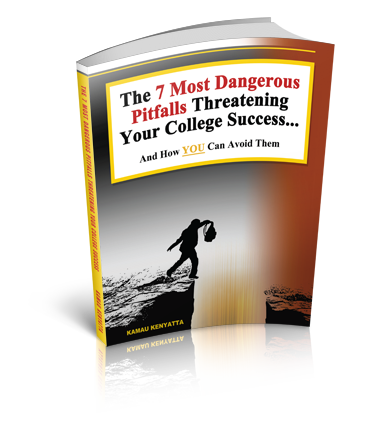
The 7 Most Dangerous Pitfalls to Your College Success
This is the guide your advisor never gave you. And your parents or guardian can't explain.
Written for Black students navigating a system that was never built with them in mind — practical, honest, and pulled straight from Professor Kenyatta's decades of teaching at colleges and universities.
Most students find out about these pitfalls the hard way — on academic probation, or worse. You're about to find out the easy way.
Read it before the semester starts. Walk onto campus already knowing what everyone else is still figuring out.
Essential Black History Resources
— The Scholars They Suppressed
These essential Black history resources represent the foundation of serious African scholarship. Serious students of Black and African history need to read them. You won't find most of them on a college syllabus — which tells you everything you need to know about why they matter.
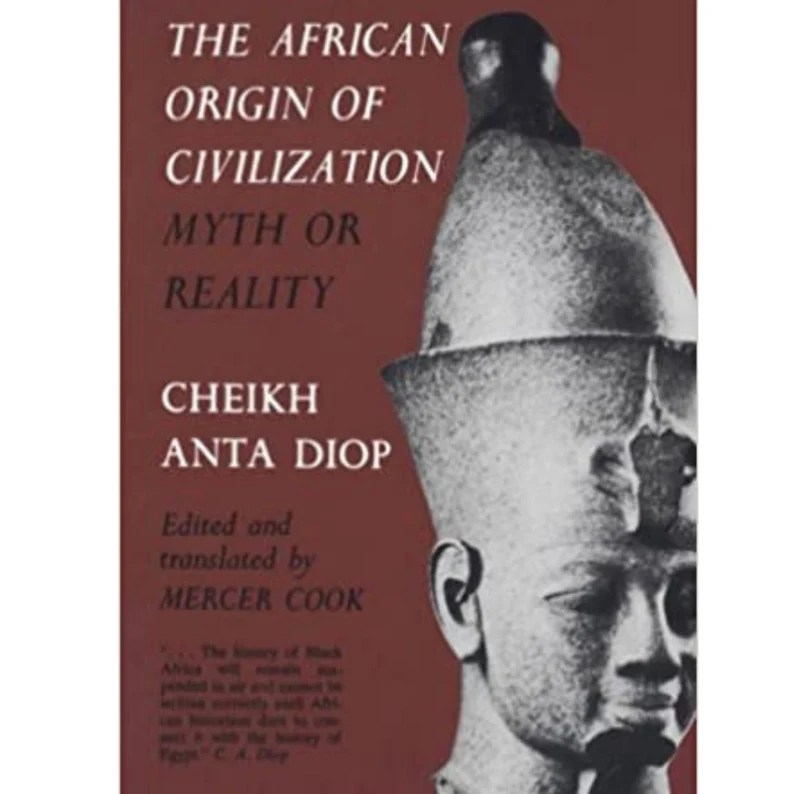
The African Origin of Civilization Myth or Reality?
This is where serious study of African history begins. Cheikh Anta Diop's landmark work uses science, linguistics, and anthropology to prove what the Western academic establishment spent decades trying to deny — that ancient Egypt was a Black African civilization. If you read one book from this list, make it this one.
Civilization or Barbarism
This is Diop's magnum opus.
Denser than The African Origin of Civilization, but essential for anyone who wants the full scope of his argument. He doesn't just prove Egypt was Black — he reconstructs the entire intellectual foundation of African world history.
The Miseducation of the Negro
In 1933, Carter G. Woodson wrote this book, but it is more relevant today than ever. Woodson argued that the American education system was designed to make Black people dependent, ashamed, and disconnected from their own history. He was right then. He is still right now.
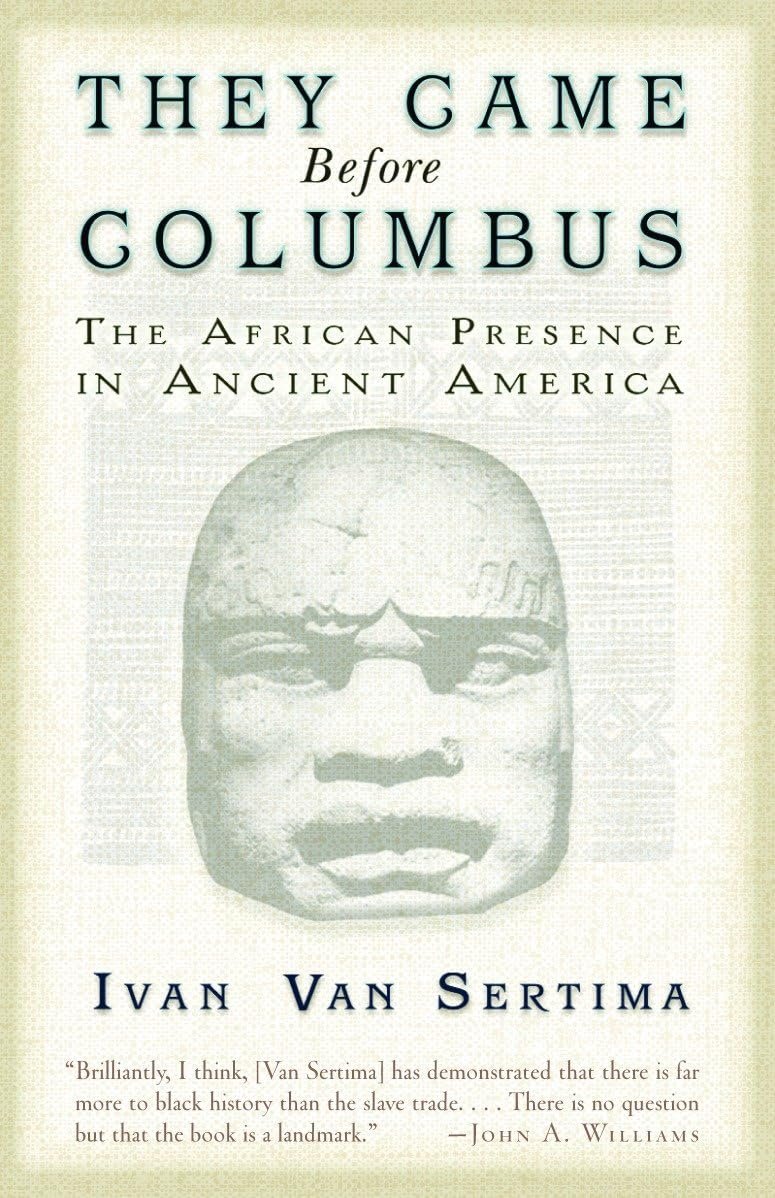
They Came Before Columbus
Columbus didn't discover America — and he certainly wasn't the first African to reach the Western Hemisphere. Van Sertima's meticulous research, including the Olmec heads and linguistic evidence, makes the case that Africans reached the Americas long before 1492. The academic establishment tried to destroy his reputation for writing it.
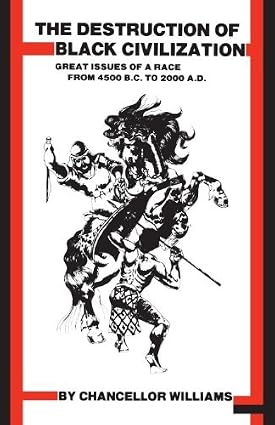
The Destruction of Black Civilization
The Destruction of Black Civilization — Chancellor Williams
Chancellor Williams spent years in Africa researching this book — and what he found will reframe everything you think you know about African history. This is the book that asks the hard question: what happened? And it answers it with evidence, not excuses.
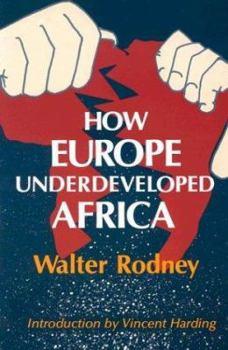
How Europe Underdeveloped Africa
How Europe Underdeveloped Africa — Walter Rodney
Colonialism didn't just occupy Africa — it systematically dismantled centuries of African economic, political, and cultural development. Rodney's analysis is precise, devastating, and essential for understanding why Africa looks the way it does today and who is responsible.
The Cultural Unity of Black Africa (no image available)— Cheikh Anta Diop Diop turns his attention to the matriarchal social systems of ancient Africa and the cultural threads that connect African people across the continent and throughout the diaspora. A powerful companion to his other works.
Key Scholars You Should Know
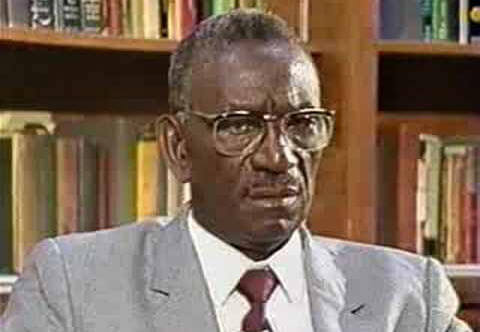
Cheikh Anta Diop (1923–1986)
Senegalese physicist, historian, and anthropologist who proved with scientific methodology that ancient Egypt was a Black African civilization. His doctoral thesis was initially refused by the University of Paris — not because it lacked scholarship, but because its conclusions were too dangerous to validate. Cheikh Anta Diop University in Dakar, Senegal's largest university, was named in his honor the year after his death.
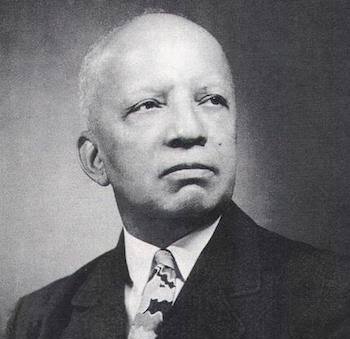
Carter G. Woodson (1875–1950)
The father of Black History Month and one of the most important Black intellectuals in American history. Woodson understood that controlling a people's history was the most effective form of control — and he spent his life fighting back. His critique of Black education remains the most honest assessment ever written.
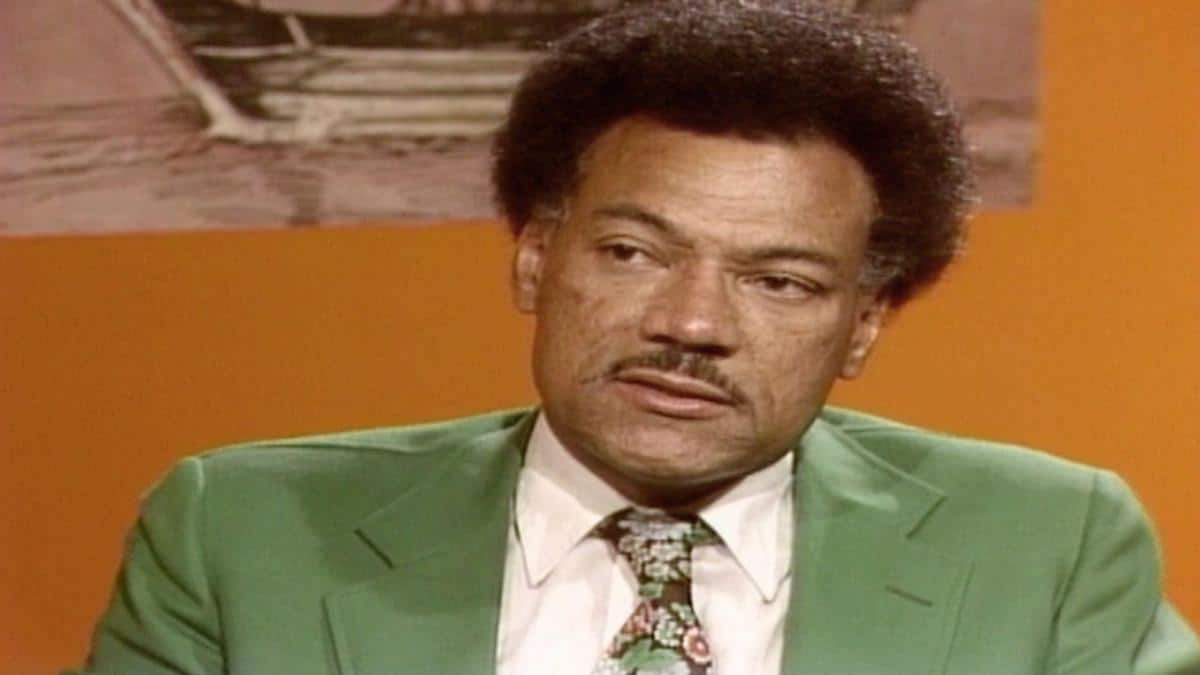
Ivan Van Sertima (1935–2009) Guyanese-American scholar whose research on pre-Columbian African contact with the Americas shook the foundation of Western historical consensus. He was attacked, dismissed, and marginalized — and his evidence has never been successfully refuted.
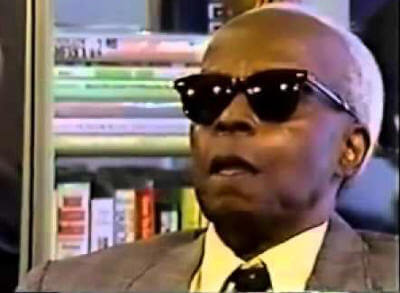
Chancellor Williams (1893–1992)
Historian and sociologist who spent years conducting field research across Africa to answer the question Western historians refused to ask seriously: what destroyed African civilization? His answer, documented in The Destruction of Black Civilization, is essential reading.
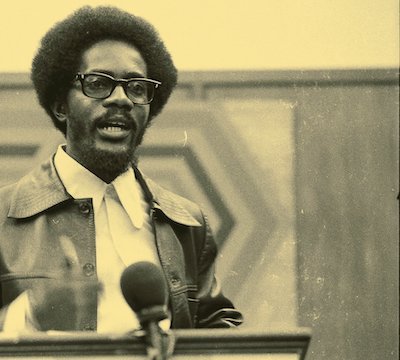
Walter Rodney (1942–1980)
Guyanese historian, political activist, and author of How Europe Underdeveloped Africa.Rodney was assassinated in 1980 — a reminder that the truth about Africa's relationship with Europe has always been considered dangerous by those in power.
These scholars produced the most powerful Black history resources ever written — and most of them were suppressed for it.
Feature Video
Richard Pryor: Why I Stopped
Using the N-word
This video is one of the most compelling Black history resources you'll ever watch — and it's only a few minutes long.
Before he was just a comedian, Richard Pryor was a truth-teller. After visiting Africa in 1979, Pryor had an awakening that changed him forever — and he never used that word on stage again. Watch this clip, and you'll understand why the connection to African identity isn't just academic. It's personal, psychological, and urgent.
Ready to Go Beyond These Resources?
Books are the beginning.
But if you want someone to walk you through all of it —
Diop, Woodson, Van Sertima, Chancellor Williams, and the full
scope of the history they tried to erase — that's exactly what Black History Unfiltered was built for.
This isn't a survey course.
It's the education your school owed you and never delivered.
Learn more about Black History Unfiltered.