
They never put him in your textbook. That wasn't an accident.
The Man Schools Pretended Didn't Exist
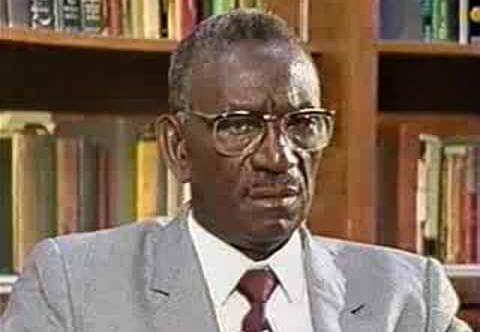
Let me ask you something. When you were sitting in your high school history class learning about "the cradle of civilization," did your teacher ever mention a Senegalese physicist, historian, and anthropologist who proved — with science — that ancient Egypt was a Black African civilization?
Probably not.
His name was Cheikh Anta Diop. And the reason you've never heard of him is the same reason you never learned about Carter G. Woodson's full body of work, or heard the word "Moors" with any real depth — the curriculum was designed to keep you in the dark.
That changes today.
Who Was Cheikh Anta Diop? The Quick Answer Schools Should Have Given You
Cheikh Anta Diop (1923–1986) was a Senegalese scholar, physicist, historian, anthropologist, and political activist. Born in Diourbel, Senegal, he earned his doctorate in Paris — though the French academic establishment resisted him at every turn.
He is best known for his groundbreaking argument that ancient Egypt (Kemet) was a Black African civilization — and that African people were the originators of human civilization, science, mathematics, and philosophy. He backed this not with opinion, but with:
- Melanin dosage tests on Egyptian mummies
- Osteological measurements of skeletal remains
- Linguistic analysis connecting ancient Egyptian to sub-Saharan African languages
- Cultural and historical comparisons across the African continent
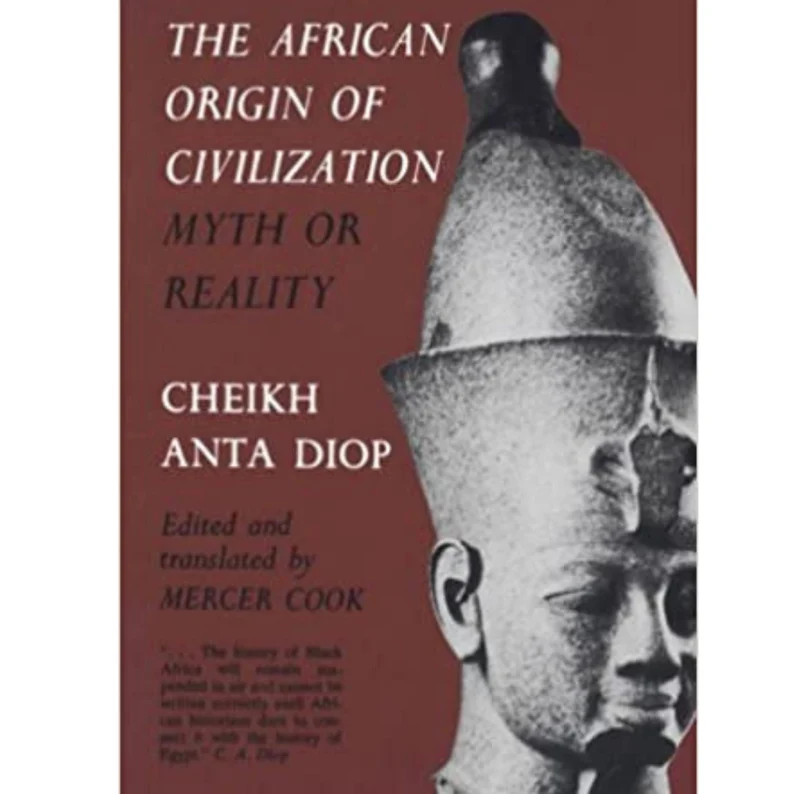
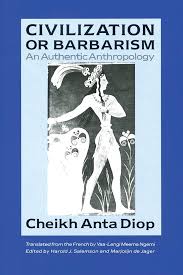
His two most important works — Antériorité des civilisations nègres (translated as The African Origin of Civilization: Myth or Reality?) and Civilization or Barbarism — remain foundational texts in Afrocentric African American Studies.
Why Was He Controversial? (Spoiler: Because He Was Right)
Here's what you need to understand about Diop: he wasn't controversial because he was wrong. He was controversial because his work was a threat.
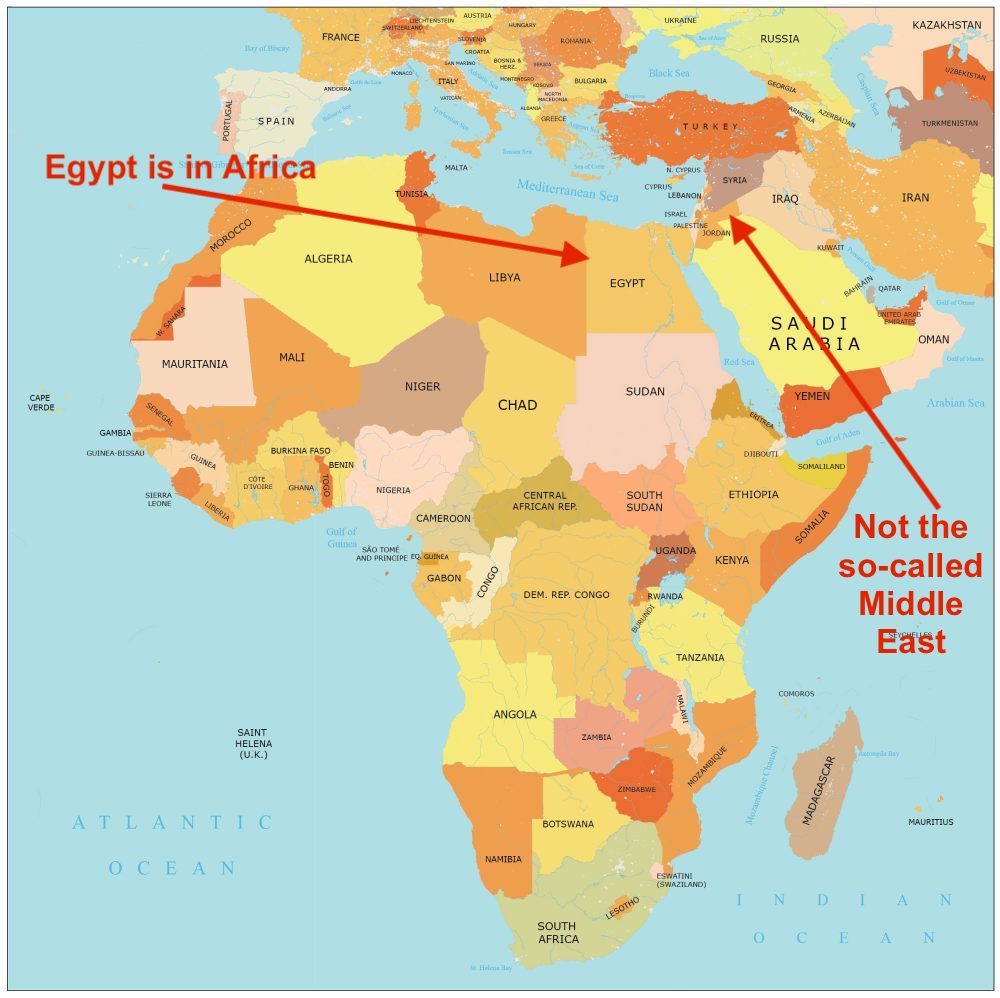
European scholars, with a racist orientation, had spent centuries constructing a version of history that placed Africa outside the story of human achievement. Egypt was claimed as "Mediterranean," "Middle Eastern," or flatly "not really African" — even though Egypt is, geographically and culturally, an African civilization.
Diop dismantled that lie brick by brick.
When he submitted his doctoral thesis to the University of Paris in 1951, the committee refused to evaluate it. Not because it lacked scholarship — but because its conclusions were too dangerous to validate. He eventually earned his doctorate in 1960, but only after years of institutional resistance.
Sound familiar? This is the same playbook used against every Black scholar who tells the truth too loudly. The man Western academia tried to erase has a university named after him in Senegal. Remember that.
What Did Cheikh Anta Diop Actually Prove?
Let's get specific, because vague inspiration isn't enough. Here's what Diop's research established:
1. Ancient Egyptians Were Black Africans
Diop used multiple methodologies to demonstrate that the ancient Egyptians were phenotypically — meaning physically — Black African people. He examined:
- The melanin content of mummies preserved in French and Egyptian museums
- The testimony of ancient Greek historians like Herodotus, who described Egyptians as "black-skinned and woolly-haired.”
- The internal linguistic evidence showing deep structural connections between ancient Egyptian (Mdw Ntr) and languages like Wolof and other sub-Saharan African tongues
His work was not speculation but scholarship, Work that was held to a higher standard than any European historian wo claimed Egypt for the "West."
2. African Civilizations Predated European Ones
Diop's broader argument — developed most fully in Civilization or Barbarism — was that humanity itself originated in Africa, and that African civilizations were not merely equal to European ones but historically predated them.
This reframes everything. It means Greek philosophy didn't emerge from nowhere. It means the "birth of civilization" story told in Western schools is incomplete at best, deliberately falsified at worst.
3. Pan-African Unity Was the Path Forward
Diop wasn't just a historian. He was a political thinker. He believed that knowledge of Africa's true history was essential for the liberation and unity of African people globally. This is why his work sits alongside Marcus Garvey, W.E.B. Du Bois, and Carter G. Woodson in the canon of Black intellectual freedom.
He founded political parties in Senegal. He ran for president. He was surveilled, suppressed, and sidelined. And he kept writing anyway.
Diop and Carter G. Woodson: Two Sides of the Same Truth
You cannot talk about Cheikh Anta Diop without talking about Carter G. Woodson — the father of Black History Month and the man who famously wrote:
"If you can control a man's thinking, you do not have to worry about his actions."
Woodson understood that miseducation was a weapon. Diop proved what had been stolen.
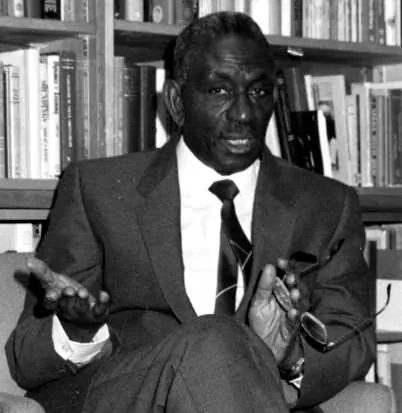
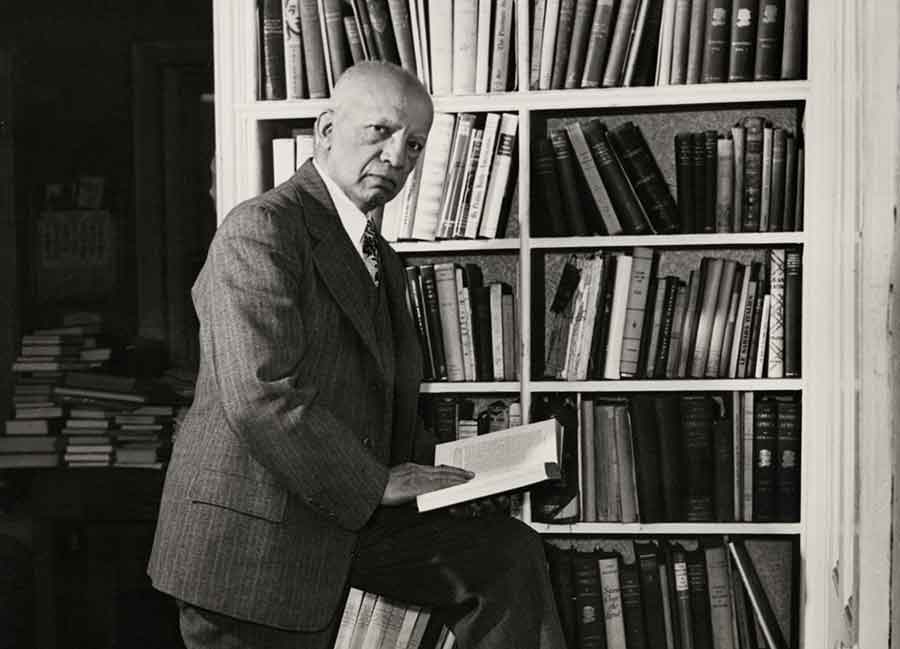
Together, their work forms the intellectual foundation for understanding how and why the history of African people was systematically distorted — and what it looks like when Black scholars fight back with evidence, rigor, and an unshakeable commitment to truth.
This is exactly what I teach in Black History Unfiltered. Not the sanitized version. The real one.
So, Why Does Cheikh Anta Diop Matter Right Now?
I'm going to be direct with you.
We are living in a moment where Black history is being removed from school curricula, banned from classrooms, and dismissed as "divisive." State after state is passing legislation designed to do exactly what European academics tried to do to Diop in 1951: silence the truth.
Understanding Cheikh Anta Diop matters right now because:
1. It gives you an unshakeable foundation.
When you know that African people built the pyramids, developed the first calendar, pioneered medicine and astronomy — no one can gaslight you about your history or your potential.
2. It exposes the architecture of miseducation.
Diop's story shows you how history gets suppressed — not by accident, but by institutional design. That knowledge makes you a harder target.
3. It connects the diaspora.
Diop's work is the intellectual bridge between Africans on the continent and Black people in the Americas and the Caribbean. He showed that we share not just DNA but a civilization — and that civilization is one of the greatest in human history.
How Do You Go Deeper?
If you want to start with Diop's own words, begin with:
- "The African Origin of Civilization: Myth or Reality?" — his most accessible book and the best entry point
- "Civilization or Barbarism" — denser but essential; his magnum opus
- "The Cultural Unity of Black Africa" — focuses on the matriarchal social systems of ancient Africa
And if you want someone to walk you through all of it — Diop, Woodson, the suppressed history they don't put in textbooks — that's exactly what Black History Unfiltered is built for.
The Bottom Line
Cheikh Anta Diop was one of the greatest scholars of the 20th century. He was also one of the most suppressed — because what he proved threatened the entire foundation of the story Western civilization tells about itself.
He didn't get a chapter in your history book. He didn't get a national holiday. He barely gets mentioned in most African American studies programs, which is its own kind of tragedy. Yet in Senegal, the largest university in the country — the University of Dakar — was renamed Cheikh Anta Diop University in his honor the year after his death. Africa remembered.
The question is: why didn't we?.

Université Cheikh Anta Diop de Dakar campus in SenegalBut he matters. He matters because the truth matters.
And the truth is this: Africa was first. Africa was great.
And they knew it — which is why they worked so hard to make you forget.
You don't have to forget anymore.
Ready to go deeper?
Join thousands of students inside Black History Unfiltered — the course that teaches everything your school left out.
Enroll now at professorkenyatta.com
© Professor Kenyatta | professorkenyatta.com



0 Comments